Analyzing market shifts toward high-capacity disposable hardware, structural reliability, and consumer-centric fluid dynamics engineering.
The transition from simple cotton saturation to complex multilayer labyrinth condensation chambers. High-puff capacity units require rigid e-liquid containment barriers to withstand structural stress and internal vacuum shifts during thermal cycles.
Integration of food-grade Liquid Silicone Rubber (LSR), PEEK insulation barriers, and high-tensile borosilicate glass elements. These materials maintain thermal stability up to 300°C without mechanical degradation, completely preventing structural distortion.
Ensuring cargo integrity through specialized seal mechanisms that counteract changes in altitude and temperature during global shipping, preventing e-liquid bypass and leakage.
Leaking in electronic vaporizers occurs due to two primary phenomena: capillary flow bypass and vapor condensation accumulation. As the coil heats up, e-liquid viscosity drops rapidly. Without a designated labyrinth storage path or optimized cotton density, gravity overcomes surface tension, resulting in fluid escaping through the airflow channels.
Furthermore, air pressure drops during air cargo transport create pressure differentials. If the hardware lacks a mechanical isolation chamber (which keeps the e-liquid separate from the heating coil until activation), the pressure differential forces the e-liquid out of the reservoir.
Demands from international distributors, compliance officers, and brand managers seeking reliable product lines.
Global markets require compliance with PMTA (USA), TPD (Europe), MHRA (UK), and national testing protocols. Sourcing products manufactured in facilities utilizing ISO 9001 and CGMP standards mitigates regulatory risks for distributors.
Importers prioritize partners who can quickly adjust coil resistances, customize aesthetic designs, and integrate advanced features like interactive LED displays and variable airflow controls while maintaining leak-proof integrity.
Supply chain transparency is essential. B2B buyers require detailed component traceability, stable raw material sourcing (such as medical-grade plastics), and rapid lead times to support inventory control and mitigate market fluctuations.
How modern production centers leverage automation to deliver stable, high-yield, and leak-free hardware at scale.
Modern production facilities utilize automated assembly setups to eliminate human error, a common cause of sealing misalignment. High-speed cameras and CCD vision systems inspect O-ring placement and cotton alignment in real-time.
By utilizing multi-axis automated robots for adhesive and sealant dispensing, we maintain consistent tolerances down to the micrometer level. This precision prevents structural gaps that can lead to fluid leaks under thermal stress.
Environmental controls are key. Cleanrooms maintain optimal temperature and humidity to prevent cotton fibers from absorbing moisture before assembly, ensuring stable e-liquid absorption rates.
Every batch undergoes simulated altitude chambers that drop pressure to 11.6 kPa (equivalent to 15,000 meters) to confirm seal performance under air transport scenarios.
Employing high-frequency ultrasonic waves to fuse polymer structures, creating durable joints that resist cracking and fluid leakage.
Laser-etched batch codes link each device back to the raw material shipments, coil lots, and manufacturing shifts for complete accountability.
Testing and performance under extreme environmental conditions.
Rapid pressure variations in non-pressurized cargo holds can cause standard atomizers to leak. Engineered pressure-relief pathways and elastomeric caps seal the liquid chamber, preventing pressure drops from pushing fluid into the airflow tube.
In hot and humid regions, elevated temperatures reduce e-liquid viscosity while moisture absorption can saturate the heating element. Using high-density organic cotton and hydrophobic barriers keeps the formula secure within the storage matrix.
Wholesale distribution networks require products to remain stable on shelves for up to 18 months. Dual-stage silicone seals prevent oxidation and flavor degradation, keeping the device ready for use without leaking.
Evaluating standard hardware vs. advanced engineered sealing technologies.
| Design Parameters | Standard Disposable Hardware | Advanced Leak-Proof Architecture | Industrial Advantage |
|---|---|---|---|
| Sealing Mechanisms | Single-ring silicone washers | Multilayer LSR O-rings + Labyrinth chambers | Reduces fluid bypass by 99% under pressure variations. |
| Absorbing Material | Standard synthetic fiber fill | Long-fiber organic cotton matrix (custom density) | Improves thermal holding capacity and stability. |
| Airflow Configuration | Straight-through base channel | Dynamic condensation drainage loop | Prevents condensation build-up from escaping the air inlet. |
| Altitude/Pressure Limits | Standard sea level (~101 kPa) | Up to 15,000 meters simulated altitude | Ensures safe transport and storage via air cargo. |
| Thermal Range | -10°C to 45°C stability | -25°C to 65°C stability | Maintains seal integrity in varied transport conditions. |
A leading professional disposable vape manufacturer specializing in research, development, production, and distribution of premium e-cigarettes and vape solutions.
Shenzhen Kizz Vape Co., Ltd. is a specialized China disposable vape manufacturer focusing on the research, development, production, and global distribution of premium disposable e-cigarettes and advanced vape solutions. Located in Shenzhen, the global hub for vaping innovation, Kizz Vape is committed to delivering high-quality, reliable, and user-friendly products to customers worldwide.
With a focus on innovation, Kizz Vape offers a diverse portfolio of disposable vaping devices, including rechargeable units, high-puff disposable e-cigarettes, nicotine salt devices, mesh coil systems, and customized OEM/ODM vape solutions. The company's products are designed to provide consistent flavor performance, smooth vapor production, and user satisfaction.
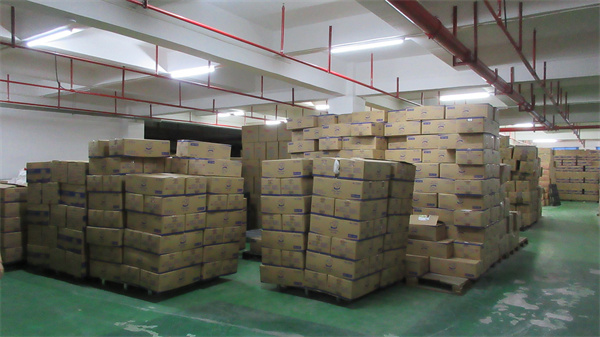
Operating modern manufacturing facilities equipped with automated production lines and strict quality control systems, Kizz Vape tests products throughout the manufacturing process to ensure quality, safety, and compliance with international standards. We continue to invest in research and development to introduce new technologies, modern designs, and enhanced vaping experiences that meet the needs of global consumers.
Serving clients across Europe, North America, the Middle East, Southeast Asia, and other international markets, Kizz Vape has built long-term partnerships with distributors, wholesalers, and brand owners. Backed by a dedicated team, responsive service, and flexible customization capabilities, we support partners in strengthening their market competitiveness.

Essential information for importers, distributors, and technical purchasing managers.
Our current factory standard target for return merchandise authorization (RMA) related to structural leakage is under 0.05%. Every production batch is tested in simulated atmospheric pressure chambers to ensure consistency.
Air transport can cause pressure drops that expand air bubbles inside the tank, pushing the e-liquid out through the chimney. Our leak-proof configurations feature isolation channels and secondary absorbent reservoirs to contain fluid shifts under these conditions.
We use medical-grade Liquid Silicone Rubber (LSR) and high-density NBR elastomers. These materials retain their flexibility and seal integrity under exposure to varying flavors, nicotine levels, and high temperatures.
Yes, we design and manufacture hardware to meet regional regulations, including TPD capacity limits in Europe and child-resistant locking mechanisms in the US.
Density plays a key role. Low density can lead to oversaturation and dripping, while high density can cause dry hits. We use customized, multi-layer organic cotton wicks to balance fluid delivery and retention.
Our production facilities operate under ISO 9001 and CGMP standards, featuring automated testing, online CCD inspection, and systematic traceability.




 Kizz Vape