Explore precision industrial hardware, disposable vaporing solutions, and specialized accessories manufactured by top-tier global suppliers.
The global tobacco harm reduction (THR) market is undergoing a rapid technological evolution. Among alternative nicotine delivery systems (ANDS), Heat-Not-Burn (HNB) devices have emerged as the most technologically demanding and capital-intensive sector. Unlike traditional vaporizers that atomize liquid e-juice, HNB hardware requires precise thermal control to heat specialized tobacco substrates to approximately 250°C - 350°C. This temperature threshold is high enough to release nicotine and flavor-carrying aerosols, yet low enough to prevent combustion (which occurs at >600°C), thereby reducing harmful emission profiles by up to 90–95%.
Advanced microcontrollers running PID algorithms prevent localized pyrolysis, ensuring absolute elimination of carbon monoxide and combustion smoke.
Utilizing high-end materials such as medical-grade PEEK, zirconia ceramics, and gold-plated heating pins to prevent thermal degradation under cyclic stress.
Manufacturing protocols compliant with PMTA (USA), TPD (Europe), and China's State Tobacco Monopoly Administration standardizations.
According to international market analysis, the global HNB device market size is expected to surpass USD 35.8 Billion by 2028, exhibiting a compound annual growth rate (CAGR) of 18.2%. The driving force is twofold: stringent regulation on e-liquid chemical flavorings and the consumer demand for an authentic throat hit. Because HNB products use real reconstituted tobacco leaf sheets rather than synthetic PG/VG mixtures, tobacco conglomerates and independent brand owners require complex hardware partnerships to fulfill this demand.
Approximately 90% of the world's vaping and HNB devices are manufactured in the Bao'an District of Shenzhen, China. This regional concentration is not merely about cheap labor; it is a highly integrated industrial ecosystem offering:
Average cycle times and scaling performance benchmarks compared to Western regions:
| Process Step | Shenzhen Benchmark | Global Avg. |
|---|---|---|
| EVT (Engineering Verification) | 7-10 Days | 30+ Days |
| Tooling & Molding Build | 21 Days | 60 Days |
| Daily Unit Throughput | 50k - 100k Units | <15k Units |
Procurement directors must understand the technical divergence when selecting a contract manufacturer. The industry has split into two dominant heating methods:
| Heating Architecture | Core Mechanism | Temperature Precision | Advantages | Disadvantages |
|---|---|---|---|---|
| Resistive Pin/Blade Heating | Ceramic substrate printed with platinum/gold heating traces inserted directly into the tobacco stick. | ± 5°C with NTC sensor feedback. | Lower manufacturing cost, well-established tooling, immediate heat transfer. | Prone to blade breakage during insertion/cleaning, requires frequent maintenance. |
| Electromagnetic Induction Heating | An alternating magnetic field excites a metal susceptor inside the tobacco stick without direct physical contact from the device's coil. | ± 2°C via advanced DSP microchip. | No blade/pin to break, zero residue in device, consistent aerosol generation, luxury consumer appeal. | Highly complex PCB layout, high BOM (Bill of Materials) cost, restricted patent licensing. |
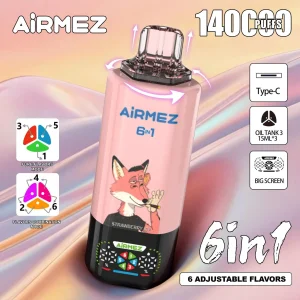
Shenzhen Kizz Vape Co., Ltd. is a professional China disposable vape manufacturer specializing in the research, development, production, and global distribution of premium disposable e-cigarettes and advanced vape solutions. Located in Shenzhen, the world's leading hub for vaping innovation, Kizz Vape is committed to delivering high-quality, reliable, and user-friendly vaping products to customers worldwide.
With a strong focus on innovation and product excellence, Kizz Vape offers a comprehensive portfolio of disposable vaping devices, including rechargeable disposable vapes, high-puff disposable e-cigarettes, nicotine salt devices, mesh coil disposable vapes, and customized OEM/ODM vape solutions. The company's products are designed to provide exceptional flavor performance, smooth vapor production, and long-lasting user satisfaction.
Kizz Vape operates modern manufacturing facilities equipped with advanced automated production lines and strict quality control systems. Every product undergoes rigorous testing throughout the manufacturing process to ensure consistent quality, safety, and compliance with international standards. The company continuously invests in research and development to introduce innovative technologies, stylish designs, and enhanced vaping experiences that meet the evolving demands of global consumers.
Serving clients across Europe, North America, the Middle East, Southeast Asia, and other international markets, Kizz Vape has established long-term partnerships with distributors, wholesalers, and brand owners worldwide. Backed by a dedicated professional team, responsive customer service, and flexible customization capabilities, the company strives to help partners strengthen their market competitiveness.
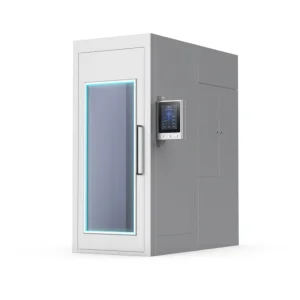
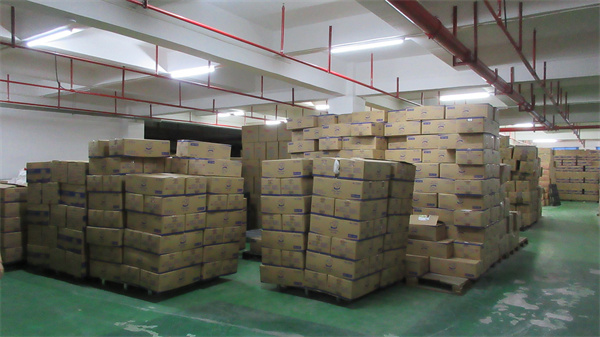
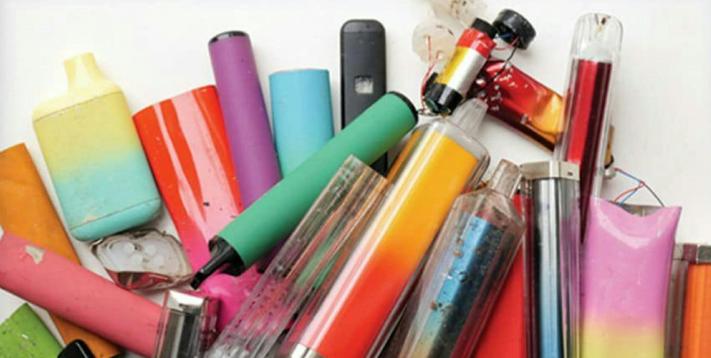
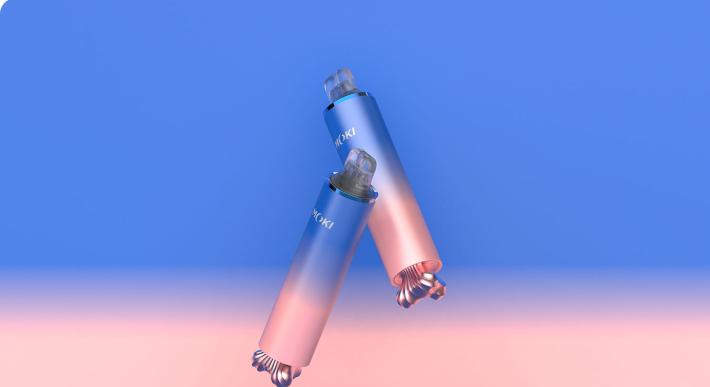
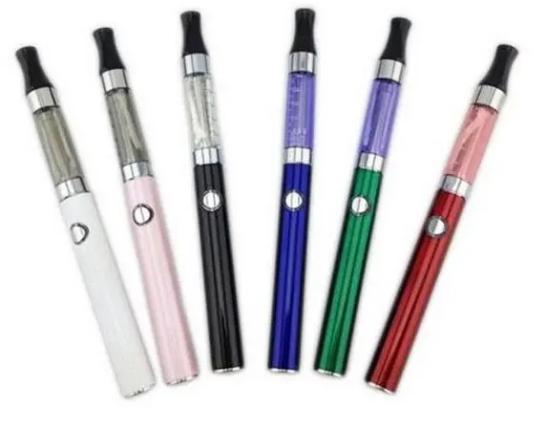
The pictures below illustrate the standardized dust-free production halls, aging testing stations, and automatic filling setups engineered by Kizz Vape to guarantee zero-defect shipments:

Selecting from the top 10 Heat-Not-Burn devices factories requires deep technical due diligence. Do not rely solely on sales pitch documents. Utilize the following engineering and structural verification protocols:
Request documentation demonstrating temperature deviation over a 15-puff cycle. Premium devices keep temperatures within 300°C ± 3°C. Wide oscillations lead to a burned taste or poor vapor volume.
Verify that PCB mounting and airway assembly are completed in an ISO Class 7 or Class 8 GMP certified cleanroom to prevent ingress of silicon dust or metallic microparticles.
Ask for GC-MS (Gas Chromatography-Mass Spectrometry) reports of the internal airflow materials under simulated peak heating. Make sure there is zero outgassing of formaldehydes, heavy metals, or plastics monomers.
Insist on UL 1642 and IEC 62133 compliance for high-rate discharge lithium batteries. Double protection loops against overcharge, short-circuit, and thermal runaway are crucial for HNB devices.
Confirm the manufacturer owns or licenses patents for electromagnetic induction coils or heating blades to protect your brand from global customs seizures or patent litigation.
Top factories laser-engrave batch codes and individual UUIDs on outer casings and internal battery plates, maintaining data records for at least three years.
The demand for alternative nicotine vaporizers varies significantly by region, dictating which device architecture a brand should prioritize.
Scenario: Low-dose nicotine caps (20mg/ml) and maximum 2ml e-liquid limits. Consumers favor small, portable pod systems or disposable vaporizers with highly efficient mesh coils for maximum bioavailability within legal limits.
Scenario: Strict bans on liquid nicotine e-cigarettes, but open regulations for HNB tobacco sticks. Here, electromagnetic induction-based HNB devices dominate office environments and transit hubs due to low odor profiles.
Scenario: Demands for long battery life and high puff-count systems. Brands require heavy-duty dual-mesh configurations and large liquid reservoir tanks with robust leakage prevention valves.
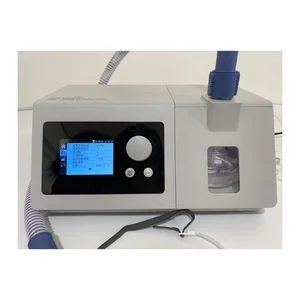
Continuing our highlight of specialized hardware components, medical-grade therapy options, and customizable OEM electronic accessories.
The design envelope for HNB and vape equipment is evolving quickly. Major manufacturers are currently shifting heavy R&D resources towards:
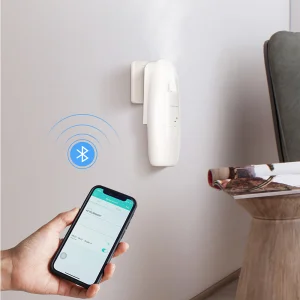
Bluetooth connection to mobile apps (e.g., Scenta App platforms) to monitor heating profile histories, battery health statistics, and control nicotine intake lockouts dynamically.
Transitioning from ABS/polycarbonate structures to biodegradable PLA or organic wood stick designs. This addresses the significant post-consumer waste challenge created by disposable vape products.
Developing vaporization chambers optimized for tea-based or botanical-derived substrates infused with synthetic nicotine or non-nicotine aroma salts, entirely bypassing global tobacco taxes.
 Kizz Vape