In the rapidly changing global vaping landscape, the shift from generic private labeling to highly integrated, custom-engineered vape hardware has become a strategic necessity. Today's commercial buyers are moving beyond simple aesthetic branding. Semantic search trends and user intent signals reveal that international B2B purchasers are searching for high-performance heating technologies, regulatory compliance systems, smart user interfaces, and custom formulation delivery networks.
To capture premium market segments, vape suppliers and exporters must offer tailored hardware architectures that address specific localized demands, environmental standards, and safety mandates. Shenzhen Kizz Vape Co., Ltd., leveraging its location in the center of global vape development, acts as a primary ODM/OEM partner. By combining strict quality control, advanced manufacturing automation, and localized regulatory knowledge, we provide global brands with customizable platforms that perform reliably under pressure, comply with target market laws, and build consumer loyalty.
An engineering overview of the critical hardware, aesthetic, and functional options available for customization, designed to meet the technical standards of international B2B buyers.
Coils are the foundation of vapor performance. Modern options range from Single & Dual Mesh Coils for high-surface-area heating to Porous Ceramic Heating Coils designed for high-viscosity thick oils. Mesh coils provide immediate thermal ramp-up and consistent e-liquid vaporization, enhancing flavor delivery. Ceramic structures offer stable thermal resistance, reducing dry-hit risks and heavy metal contamination, ensuring compliance with strict regulatory safety standards.
Tank systems must adapt to regional compliance limits. Options include standard TPD-compliant 2.0ml capacity chambers for European markets and larger high-volume tanks (up to 25ml or 30ml) for non-TPD jurisdictions. In addition, suppliers support specialized wicking setups for nicotine salts, freebase formulations, and high-viscosity botanical oils. This includes wickless chambers and dual-channel oil pathways to prevent clogging and leaking.
Modern high-puff vapes require stable energy delivery. Customization options cover rechargeable and non-rechargeable pure cobalt lithium-ion batteries. Incorporating Type-C fast-charging ports allows hardware sizes to shrink while extending device utility. Integrating a Smart Battery Management System (BMS) adds overcharge protection, thermal shutdown thresholds, and short-circuit prevention, keeping products safe and compliant during international shipping.
Vapes have evolved from basic indicators to interactive devices. B2B buyers can integrate smart displays, ranging from simple color-changing LED halos to full TFT screens. These displays show real-time metrics, such as e-liquid levels, battery life, operating wattage, and puff counts. Dynamic screens enhance user engagement, providing high visual differentiation on crowded retail shelves.
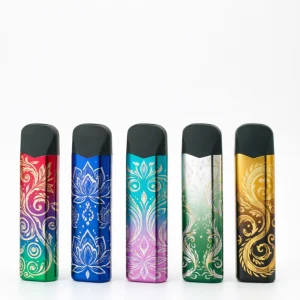
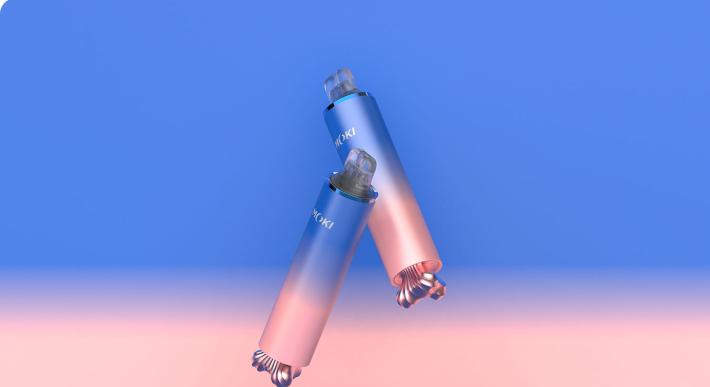
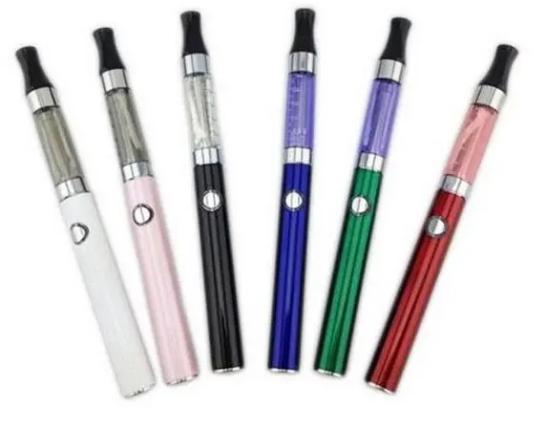
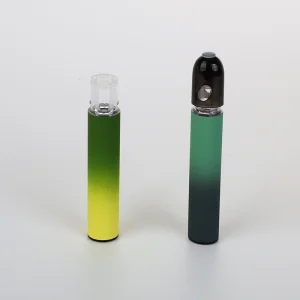
The device shape and material options define its brand positioning. Suppliers offer chassis options including lightweight food-grade PCTG, modern zinc alloys, impact-resistant polycarbonate, and crystal outer casings. Surface treatment options include rubberized textures, laser engraving, UV printing, and metallic gradients. Embossed and dual-wall constructions provide thermal insulation, keeping the device comfortable to hold during extended use.
Airflow customizability directly impacts vapor density and throat hit. Hardware options include fixed, restricted MTL (Mouth-to-Lung) pathways, adjustable dual-port sliding vents, and open DTL (Direct-to-Lung) channels. Integrating high-sensitivity pneumatic sensors ensures prompt firing response, while leak-resistant air paths isolate condensation and prevent fluid from entering the battery compartment.
Protecting intellectual property and building brand recognition requires advanced graphic capabilities. Export-oriented factories provide precise silk-screening, custom spot UV printing, and thermal transfer labels. To prevent counterfeits, suppliers integrate security stickers, holographic labels, and laser-etched QR codes that link to online traceability and batch verification portals, reassuring consumers and distributors.
Environmental regulations are changing B2B hardware demands. Brands can choose eco-friendly casing options, such as post-consumer recycled (PCR) plastics, biodegradable PLA materials, and modular designs that simplify battery removal and recycling. By prioritizing recyclability, brands can lower their environmental impact and comply with evolving green regulations in regions like the EU and North America.
Modular pod systems help manage regulatory restrictions on pre-filled capacity. Buyers can choose pre-filled, closed-pod designs or refillable pod cartridges. Integrating magnetic connectors simplifies replacement, while independent multi-flavor compartments let users switch between flavors with a simple rotation or switch on the device, providing a unique user experience.
Safety compliance is essential for commercial importing. Customize your hardware with childproof activation locks, such as sequence-press buttons, bottom rotating locks, or capacitive touch gestures. Internally, control microchips can enforce automatic shutdown features (e.g., stopping power after 10 seconds of continuous activation) to prevent overheating and ensure compliance with ISO9994 standards and localized safety laws.
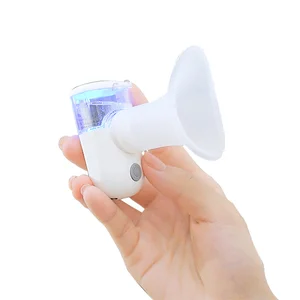
The global vaping industry is experiencing rapid shifts in product preferences and distribution channels. Corporate buyers—ranging from large-scale distributors in Europe to vapor brands in North America—now prioritize hardware safety, consistency, and compliance over simple low pricing. There is also rising demand for nicotine alternatives, such as wellness inhalers, smart aromatics, and aromatherapy cessation sticks. This diversification requires factories to offer flexible, fast-turnaround customization options.
At the same time, international trade regulations require strict supply chain compliance. Importers must verify that their manufacturing partners operate cleanrooms, use food-safe plastics, test batteries rigorously, and provide full material tracking. Meeting these expectations requires clean manufacturing processes, consistent testing protocols, and complete regulatory compliance.
The vape manufacturing hub of Shenzhen utilizes automated production technologies to deliver precise, cost-efficient, and scalable manufacturing solutions.
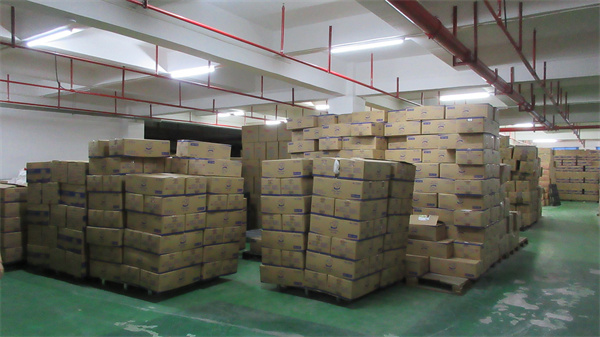
Vape manufacturing in Shenzhen, China has transitioned from assembly-focused work to automated, smart production (Factory 4.0). Advanced automated lines now manage oil-filling, coil installation, and final packaging, minimizing manual assembly errors and ensuring product consistency. This automation, combined with rapid raw-material sourcing, allows factories to scale up production and adjust configurations with short lead times.
For international brands, this high level of supply chain integration reduces time-to-market. During product updates, Shenzhen's engineering clusters can prototype, refine, and start mass production within weeks. This agility helps brands adapt quickly to changing consumer preferences and shifting regulatory environments.
Vape hardware configurations must adapt to the differing regulatory and consumer demands of global regional markets.
In the US and Canada, demand focuses on high-puff devices (15,000 to 30,000+ puffs) with dual-mesh configurations, rechargeable Type-C ports, and larger interactive display screens. Brands also require specialized, heat-stable ceramic wicks for botanical oils and thick concentrates.
The EU market is shaped by TPD Article 20 regulations, which limit e-liquid tanks to 2ml and nicotine levels to 20mg/ml. Customization centers on TPD-certified modular pod systems, childproof locks, and eco-friendly recyclable materials.
Middle Eastern markets prefer high-performance devices, metal-bodied designs, and strong flavor delivery systems. Compliance with ESMA standards and reliable leak prevention are critical requirements for hot, arid climates.
Shenzhen Kizz Vape Co., Ltd. is a professional China disposable vape manufacturer specializing in the research, development, production, and global distribution of premium disposable e-cigarettes and advanced vape solutions. Located in Shenzhen, the world's leading hub for vaping innovation, Kizz Vape is committed to delivering high-quality, reliable, and user-friendly vaping products to customers worldwide.
With a strong focus on innovation and product excellence, Kizz Vape offers a comprehensive portfolio of disposable vaping devices, including rechargeable disposable vapes, high-puff disposable e-cigarettes, nicotine salt devices, mesh coil disposable vapes, and customized OEM/ODM vape solutions. The company's products are designed to provide exceptional flavor performance, smooth vapor production, and long-lasting user satisfaction.
Kizz Vape operates modern manufacturing facilities equipped with advanced automated production lines and strict quality control systems. Every product undergoes rigorous testing throughout the manufacturing process to ensure consistent quality, safety, and compliance with international standards. The company continuously invests in research and development to introduce innovative technologies, stylish designs, and enhanced vaping experiences that meet the evolving demands of global consumers.
Serving clients across Europe, North America, the Middle East, Southeast Asia, and other international markets, Kizz Vape has established long-term partnerships with distributors, wholesalers, and brand owners worldwide. Backed by a dedicated professional team, responsive customer service, and flexible customization capabilities, the company strives to help partners strengthen their market competitiveness.
Driven by the principles of quality, innovation, and customer satisfaction, Shenzhen Kizz Vape Co., Ltd. aims to become a trusted global partner in the vaping industry by providing premium disposable e-cigarettes and comprehensive vape solutions.

Key manufacturing, design, and regulatory questions answered by the engineering team at Shenzhen Kizz Vape Co., Ltd.


 Kizz Vape